
Featuring the latest ductal carcinoma in situ (DCIS) news and updates from DCIS Understood, including program developments, research information, patient stories, advocacy opportunities, and organizational news.
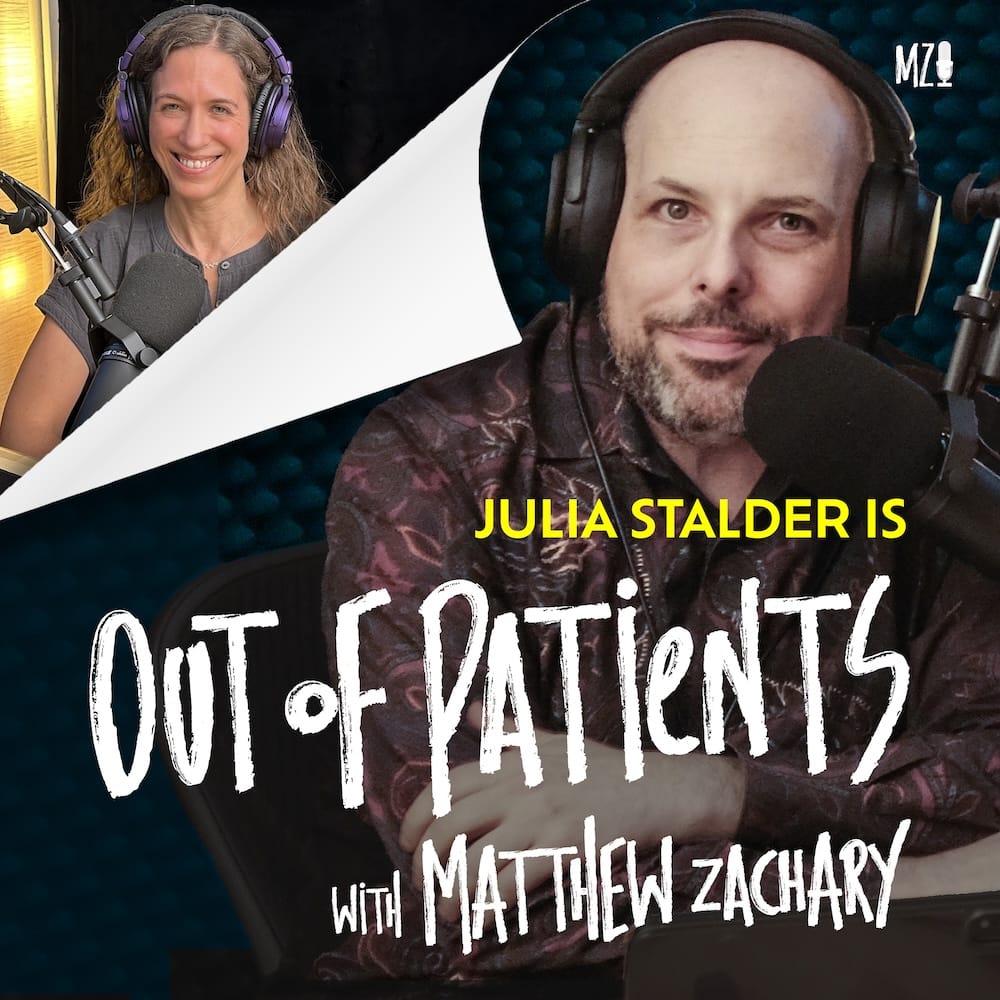
We’re excited to share a powerful new conversation on the Out of Patients with Matthew Zachary podcast, where DCIS Understood founder, Julia Stalder, discusses DCIS, active surveillance, and why the phrase “the best kind of breast cancer” can be so misleading. In the episode, titled “The Nicest Bus in Cancer,” Julia reflects on her own diagnosis and the broader challenges facing DCIS patients today.
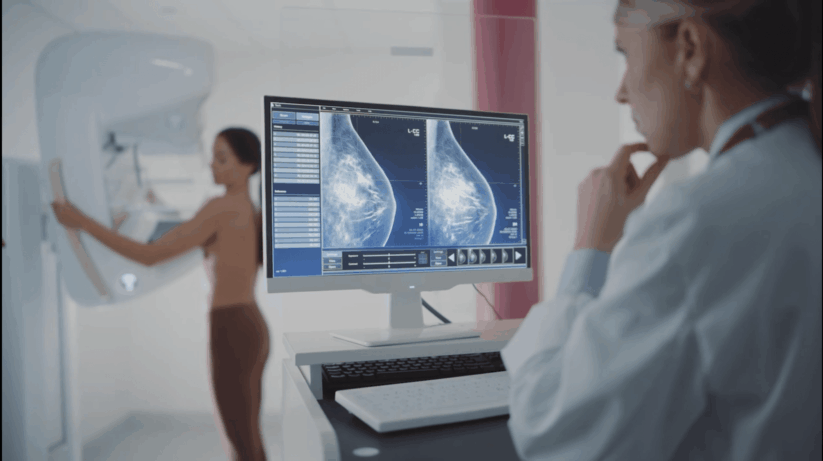
In December 2025, results from the LORETTA trial were presented at the San Antonio Breast Cancer Symposium (SABCS), offering new insight into an important and long-standing question in DCIS care: Can some people with low-risk DCIS safely avoid surgery? While the trial did not meet its predefined statistical threshold, the findings add meaningful evidence to the growing body of research suggesting that active surveillance may be appropriate for carefully selected patients. Importantly, the results help clarify who those patients might be.
At the San Antonio Breast Cancer Symposium (SABCS) in December, researchers presented updated results from a large international clinical trial examining radiation treatment after surgery for ductal carcinoma in situ (DCIS). The study offers important insights into how radiation can reduce the chance of DCIS returning in the same breast — particularly for people considered at higher risk of recurrence.

Last week, DCIS Understood had the opportunity to attend the San Antonio Breast Cancer Symposium (SABCS) — one of the world’s most important gatherings dedicated to breast cancer research and care. We returned feeling energized, inspired, and deeply grateful to be part of a global community working toward better outcomes and more thoughtful, patient-centered care.

For many women diagnosed with DCIS, one of the toughest questions is whether surgery is truly necessary — especially if the DCIS looks low-risk. The idea of active monitoring (close follow-up with imaging and exams, without immediate surgery) is gaining attention in clinical trials. But one challenge remains: how can doctors be sure a biopsy really shows the whole truth about the DCIS?
Subscribe
Subscribe below for the latest DCIS news and updates

